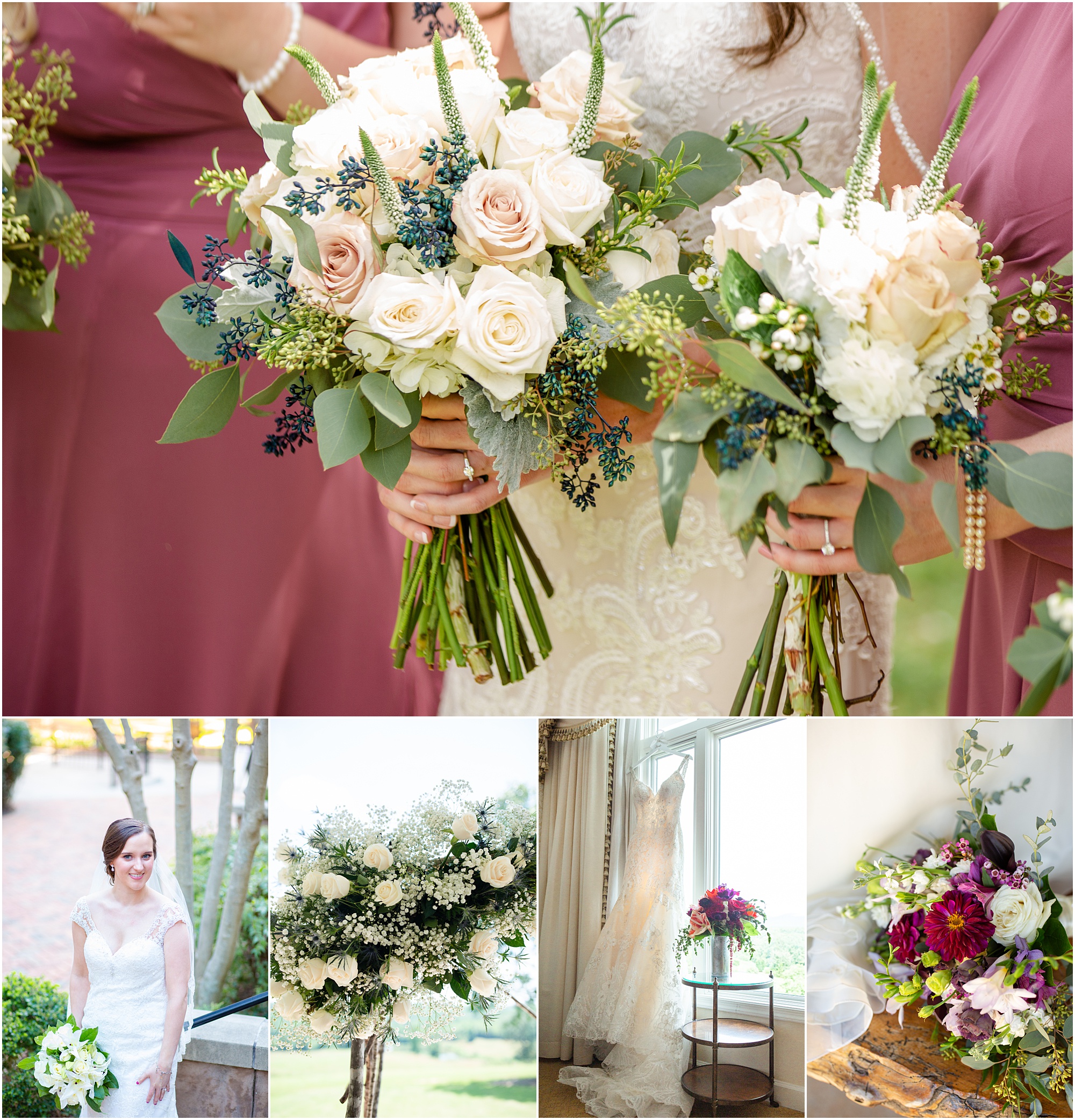
Wedding florals are one of the most photographed elements of any wedding — and one of the easiest budget categories to quietly spiral out of control. The average couple spends $2,000–$5,000 on florals; for larger weddings with elaborate ceremony installations, it can reach $10,000 or more. None of that is unreasonable given what goes into it, but it’s also not where most couples expect to spend a significant chunk of their budget.
The good news: smart allocation matters more than total spend. A couple with a $2,500 floral budget who spends it strategically will have more impactful photos than one with a $4,000 budget spread too thin across too many pieces. Here’s how to think about it.
How Much Should You Budget for Wedding Flowers?
| Wedding Size | Typical Floral Budget Range |
|---|---|
| Intimate (under 50 guests) | $800–$2,000 |
| Medium (50–100 guests) | $2,000–$4,000 |
| Large (100–150 guests) | $3,500–$6,000 |
| Grand (150+ guests) | $5,000–$12,000+ |
These ranges are broad because florals are so customizable. A couple who wants a simple greenery-forward aesthetic will spend far less than one who wants full garden-style arrangements with premium blooms. Use these as a starting point, not a rule.
Where to Spend: Prioritize by Photo Impact
As photographers, we see every floral piece at every wedding. Here’s how we’d rank them by visual impact in photos — which is a good proxy for where your money actually shows.
1. The Bridal Bouquet (Highest Priority)
Your bouquet is in more photos than anything else at the wedding — the portrait session, the first look, the ceremony, the reception, the detail shots. It travels with you all day. This is the single piece where you should not cut corners.
Go big, go lush, and choose blooms that mean something to you aesthetically. Your bouquet should feel slightly oversized — bouquets that look full and generous in person photograph proportionally beautiful. Bouquets that look small in person disappear in photos.
If peonies or garden roses are your dream bloom but feel expensive, concentrate them in the bridal bouquet and use more affordable flowers elsewhere. A statement bouquet with one premium bloom and complementary greens will outperform a mediocre bouquet of budget flowers every time.
2. Ceremony Focal Point (High Priority)
Whatever your guests and photographer face during the ceremony — an arch, a chuppah, a floral installation on a cross or arbor — this is the backdrop for your vows. It’s in every ceremony photo. Invest here.
A well-designed ceremony arch or floral backdrop can elevate simple ceremony spaces dramatically. Conversely, a sparse or sparse-looking installation at an otherwise beautiful venue reads as an afterthought. If budget is tight, concentrate florals at the ceremony focal point and simplify everything else.
3. Reception Centerpieces (Medium Priority)
Centerpieces matter for the overall atmosphere of the reception, but they’re not in as many photos as the bouquet or ceremony arch. A few strong centerpieces on key tables (sweetheart table, parents’ tables, cake table) matter more than identical medium arrangements on every table.
Consider mixing centerpiece heights and styles — tall dramatic arrangements on some tables, low lush arrangements on others — rather than identical pieces everywhere. It’s more visually interesting and often allows you to put budget where it shows most.
4. Bridesmaids Bouquets (Lower Priority)
Bridesmaids bouquets appear in wedding party portraits and a few other shots, but they don’t need to match the bridal bouquet in scale or complexity. Smaller, simpler arrangements that complement the bridal bouquet without competing with it are both more budget-friendly and more visually correct.
A good rule: bridesmaids bouquets should be about 60–70% the size of the bridal bouquet, and they can use more affordable blooms as long as the colors coordinate.
5. Boutonnieres, Corsages, and Personal Florals (Lower Priority)
These are often the smallest line items but add up quickly across a large wedding party. Keep them simple — a single stem with greenery typically photographs as well as elaborate constructions and costs significantly less.
Budget-Saving Strategies That Actually Work
Choose In-Season Flowers
Seasonal flowers cost a fraction of what out-of-season or imported blooms cost, and they’re often fresher and more vibrant when they arrive. Tell your florist your aesthetic and budget and ask what’s in season for your date. Most florists can replicate the look of an expensive bloom with a seasonal equivalent.
General seasonal guide for South Carolina:
- Spring (March–May): Peonies, ranunculus, tulips, garden roses, lilac, anemones
- Summer (June–August): Sunflowers, zinnias, dahlias, hydrangeas, lisianthus
- Fall (September–November): Dahlias, marigolds, chrysanthemums, cosmos, dried elements
- Winter (December–February): Amaryllis, paperwhites, hellebores, evergreen foliage, berry stems
Lean Into Greenery and Texture
Greenery — eucalyptus, ferns, ruscus, ivy — is significantly less expensive than blooms and photographs beautifully. A lush green-forward arrangement with a few statement flowers looks abundant and intentional. An arrangement that’s mostly expensive blooms with minimal greenery can look sparse at the same price point.
Repurpose Florals Throughout the Day
This is one of the most underused budget strategies. Bridesmaid bouquets can be collected after wedding party portraits and placed in bud vases at the reception — on the food table, the cake table, or as bar decor. Ceremony arch pieces can sometimes be moved to the reception. Ceremony aisle arrangements can become reception table pieces. Coordinate this with your florist and day-of coordinator in advance so it happens smoothly.
Skip Table Flowers Where Candles Work
Candles are significantly cheaper than floral centerpieces and create beautiful reception atmosphere. For tables where florals aren’t in the budget, clusters of pillar candles and votives at varying heights look intentional and warm — not like an afterthought. Mix floral centerpieces on key tables with candle-only settings on others.
Use Dried or Preserved Elements
Dried pampas grass, preserved eucalyptus, dried cotton stems, and seed pods add texture and visual interest at a much lower cost than fresh flowers. They also work beautifully in fall and winter weddings and are trending in a direction that photographs very well.
What to Tell Your Florist
The most important thing you can do is be transparent about your budget upfront. A good florist will tell you honestly what’s achievable within your range and guide you on where to prioritize. A florist who won’t discuss budget is a red flag.
Bring references — not just Pinterest inspiration, but specific images of arrangements you love with similar aesthetics. Note what you like about each: the scale, the color palette, the bloom types, the overall feel. The more specific you can be, the better your florist can serve you.
A Note from a Photographer’s Perspective
We’ve photographed hundreds of weddings with florals across every budget. The bouquets and ceremony installations that photograph most beautifully are almost never the most expensive ones — they’re the ones chosen with intention. A thoughtfully designed $2,500 floral plan will outperform a haphazard $5,000 one in photos every time.
Invest in your bridal bouquet. Invest in your ceremony focal point. Be strategic everywhere else. Trust your florist, be honest about your budget, and let the flowers tell the story of your day. See also our guide to bridal detail photography — your florals are a huge part of what we capture in that first hour of the day.
Frequently Asked Questions
How much should I spend on a bridal bouquet?
Bridal bouquets typically range from $150–$400 depending on bloom types, size, and complexity. For premium flowers (peonies, garden roses, ranunculus), budget toward the higher end. This is not the place to cut corners — it’s in more photos than anything else.
What’s the most affordable wedding flower?
Carnations, baby’s breath, alstroemeria, chrysanthemums, and stock are among the most affordable options. Greenery (eucalyptus, ferns, ruscus) is also very cost-effective. Most florists can blend affordable fillers with a few statement blooms to create a luxurious look on a moderate budget.
Should I skip flowers at the reception to save money?
Rather than eliminating florals entirely, consider strategic reduction: strong pieces on key tables (sweetheart, parents, cake), candles elsewhere. Complete absence of florals at reception can make the space feel unfinished. Strategic simplicity looks intentional; none looks like a cut corner.
When should I book a florist?
Book your florist 9–12 months before the wedding, or as soon as your venue is confirmed. Good florists in the Anderson, Greenville, and Columbia areas book out, especially for fall weekends.
Want a photographer who notices and captures all the floral details on your wedding day? Learn about our SC wedding photography services.